Colorado Military Attorneys
Active-duty military members and federal employees face harsher consequences compared to their civilian counterparts. You need a specialized, proven military law attorney if you’re facing a court-martial or disciplimary action. Robinson & Henry military law attorneys represent clients in courts-martial, discharges, physical evaluation board (PEB) appeals, security clearance denials, nonjudicial punishment proceedings, and more. The stakes couldn’t be higher, but you don’t have to face these challenges alone.
Areas Our Colorado Military Lawyers Serve



Common Reasons for Military Legal Disputes in Colorado
Military legal matters can carry higher stakes than civilian cases, often affecting a service member’s career and benefits. Some of the most common reasons service members and their families find themselves in a dispute include:
Military divorce, including the division of retirement benefits
General, special, and summary courts-martial
Other than Honorable (OTH) discharge cases
Violations of military no-contact orders
How Our Colorado Military Lawyers Can Help You
Robinson & Henry's military attorneys defend your livelihood and future, even against the federal government. Robinson & Henry's attorneys guide you from the initial filing through a resolution.
Represent you in a military divorce, including retirement benefit division
Defend you in general, special, and summary courts-martial
Assist with OTH discharge cases and related benefits questions
Represent in appeal a revoked or denied security clearance
Hear From Our Clients in Colorado
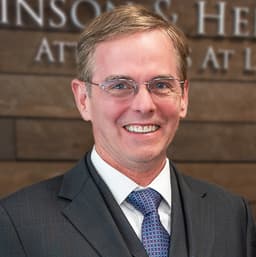
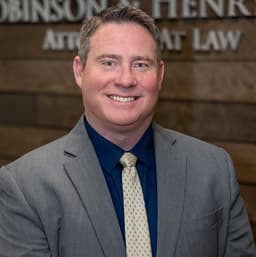
Meet Our Military Attorneys in Colorado

Let Our Colorado Military Attorneys Serve You
Additional scheduling and support:
News & resources
FAQs
Military law does not generally supersede civilian law. Certain jurisdictional exceptions apply during official emergencies. However, active duty members must adhere to legal procedures and respect constitutional rights when following military orders.
Article 15 offenses are minor offenses that can be punished within the military justice system without a formal court-martial. The commanding officer typically handles these offenses and involves infractions like disobedience, disrespect, and minor misconduct.
A UCMJ Charge 120 is a military offense related to disrespecting a superior officer. This offense can involve disobedience, disparaging comments, threats, and other disrespectful gestures. A UCMJ Charge 120 can be a serious offense, and the penalties can range from administrative punishment to court-martial proceedings.
 Have a question?